


Apple reveals iOS 27 features to users their first official preview of some major features expected to arrive with iOS 27 and other software updates later this year. Ahead of its annual developer conference, the company revealed several accessibility-focused innovations powered by AI, giving a glimpse into how future Apple devices may become smarter and more inclusive.
The announcement comes as Apple marks Global Accessibility Awareness Day, an occasion the company has used in recent years to introduce upcoming accessibility tools before officially unveiling its next-generation operating systems.
Although Apple has not directly named iOS 27, macOS 27 or visionOS 27, the features announced are expected to be part of the software updates likely to be showcased at Apple’s upcoming developer event. This year, one thing stands out clearly — Artificial Intelligence appears to be playing a much larger role across Apple’s ecosystem.
Apple Intelligence Takes Center Stage
Much of the new functionality is powered by Apple Intelligence, the company’s growing AI framework designed to improve experiences across iPhone, iPad, Mac and other devices. Apple appears to be integrating AI beyond traditional assistants and text generation tools. Instead, the company is focusing on making devices understand surroundings, user intent and on-screen content in more natural ways.
Many of the new accessibility tools rely heavily on AI-powered recognition systems capable of interpreting images, understanding context and responding more intelligently. This could also offer hints about broader AI features expected later across Siri and the overall Apple ecosystem.
Major Upgrades Coming to VoiceOver and Magnifier
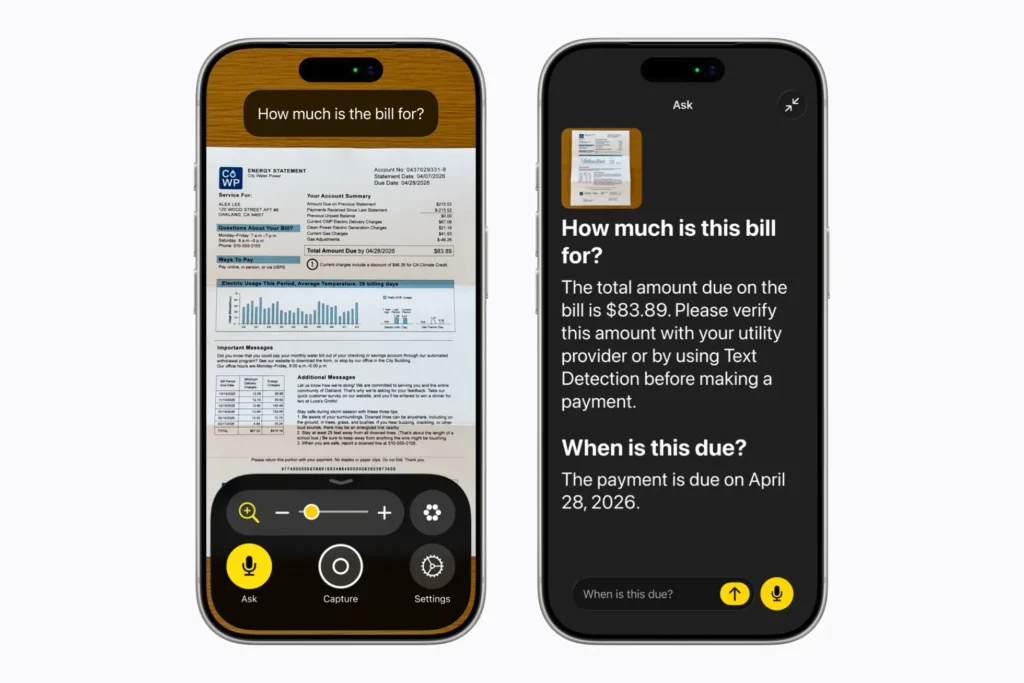
Among the most notable announcements are improvements to VoiceOver and Magnifier. These tools are receiving expanded support through AI-powered visual understanding systems. Previously, VoiceOver mainly read text or identified basic visual elements. However, future updates are expected to provide much more detailed information about what appears in an image or camera viewfinder.
More Read

For example, users may receive deeper descriptions of objects, surroundings or visual scenes captured through their devices. Magnifier is also becoming more intelligent by recognizing and interpreting visual information with greater accuracy. The upgrades suggest Apple is continuing to strengthen its visual intelligence systems that already help identify text, objects and content throughout iOS. The same technology may eventually power broader AI features across future versions of Siri and system-wide interactions.
Voice Control Is Becoming More Natural
Apple also announced major changes to Voice Control. Currently, Voice Control relies heavily on fixed commands. Users often need to memorize specific phrases to navigate their devices. That may soon change.
Future updates are expected to bring natural language capabilities into Voice Control. Instead of saying exact commands, users will be able to speak more casually. For example, rather than saying:
“Tap settings.”
Users may eventually say:
“Open the blue button near the top.”
Or:
“Scroll to the image with the football player.”
Apple says the new AI systems can understand colors, content and on-screen context to determine what users want. This represents a major shift toward more intuitive device interaction.
Also Read : Google I/O 2026: Gemini 3.5, AI Agents and Smart Glasses Steal the Spotlight
Accessibility Reader Gets Smarter
Another significant upgrade is coming to Accessibility Reader. The feature is designed to simplify content and improve readability for users with accessibility needs. Apple says Accessibility Reader will now support more complex forms of content including:
- Tables
- Images
- Multiple-column layouts
- Structured documents
Using AI, the system can better understand and interpret content appearing on screen. Rather than simply reading text line by line, Accessibility Reader may soon recognize how information is organized and present it in a cleaner way.
AI-Generated Subtitles Expand Across Apple Devices
Apple also revealed an important update related to subtitles and captions. Future software updates will allow devices to generate subtitles automatically for nearly any video content. Unlike traditional captions that depend on existing metadata, Apple’s system can create subtitles directly on-device. This means videos without built-in captions may still become accessible. The feature will reportedly work across:
- iPhone
- iPad
- Mac
- Apple TV
- Vision Pro
On-device processing also means subtitle generation happens privately without requiring cloud processing. The addition could significantly improve accessibility for users who are deaf or hard of hearing.
Vision Pro Receives Accessibility Improvements
Apple also announced several updates for Apple Vision Pro. The company is introducing a new wheelchair control system designed for users who cannot operate traditional joystick controls. Using Vision Pro’s eye-tracking capabilities, users will be able to interact with wheelchair control interfaces. The system works with supported alternative drive technologies and uses Bluetooth or wired connections. Apple says support for more wheelchair systems may be added in the future. This update demonstrates Apple’s effort to expand accessibility beyond smartphones and computers into wearable technology.
Face Gestures and Eye Controls Expand Interaction
Additional Vision Pro updates include new face gesture controls and expanded eye interaction features. Users may soon be able to perform actions such as:
- Tap functions
- Navigate menus
- Select elements
- Trigger system commands
using facial movements and eye tracking. These additions may help users with physical limitations interact with devices more comfortably.
Sign Language Support Arrives for FaceTime Developers
Apple also introduced a new API for developers creating sign language interpretation experiences. The API allows applications to add human interpreters directly into ongoing FaceTime video calls. This feature could make communication easier for users who rely on sign language. Developers may now create specialized tools that integrate accessibility features more deeply into communication apps.
Sony Access Controller Support Announced
Apple also confirmed support for the Sony Access Controller across iPhone, iPad and Mac devices. The controller was designed for users who may have difficulty using traditional gaming hardware.
The support expands accessibility options within gaming and may help make interactive experiences available to a wider audience. Gaming accessibility has become an increasingly important focus across the technology industry, and Apple appears to be continuing investment in that area.
Additional Features Coming Later This Year
Apple also announced several smaller updates expected to arrive later:
- Vehicle Motion Cues expand to Vision Pro
- Larger text support arrives for tvOS
- Improved hearing aid setup and device switching
- Name Recognition expands to over 50 languages
- Touch Accommodations receive personalization improvements
Although some updates appear minor, together they contribute to a broader accessibility ecosystem.
What These Announcements Could Mean for iOS 27
While Apple has not officially unveiled iOS 27, these early announcements may reveal the company’s direction for future software development. Artificial Intelligence increasingly appears to be shifting from background technology into a core operating system feature.
Rather than focusing only on productivity tools, Apple seems to be using AI to make devices understand context and user needs more naturally. Many observers also believe these upgrades provide clues about future Siri improvements and system-wide AI capabilities. More details are expected at Apple’s upcoming developer conference.
Apple’s latest accessibility preview suggests that future software updates will focus not only on smarter technology but also more inclusive experiences.AI-powered Voice Control, intelligent visual understanding, automatic subtitles and accessibility-focused Vision Pro updates show that Apple is investing heavily in making devices easier to use for everyone.
As anticipation builds around iOS 27, these early features offer users a first look at what could become one of Apple’s most AI-focused software updates yet.