

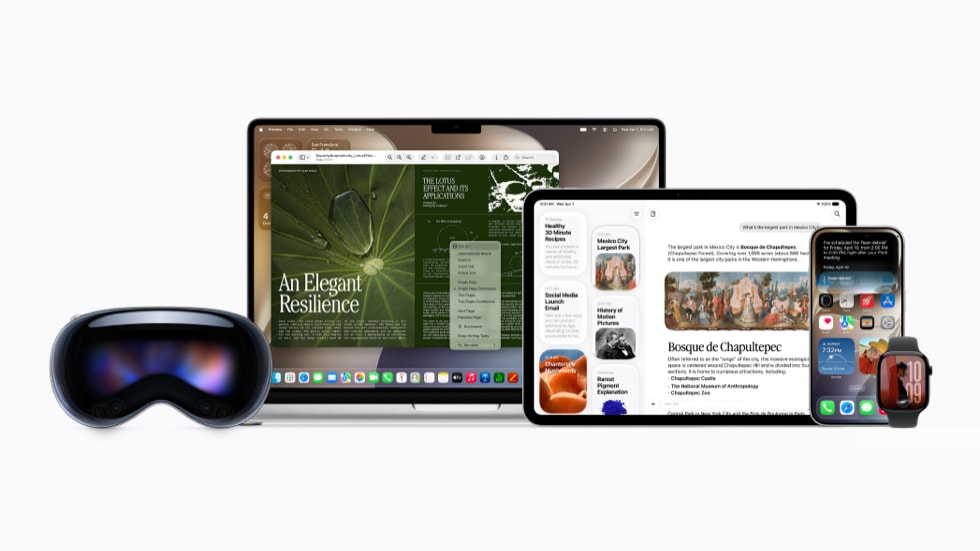
Apple just dropped a massive bombshell alongside its reveal of iOS 27, iPadOS 27, and macOS 27: users in the European Union are being left out in the cold. The company confirmed that its highly anticipated Siri AI upgrade will be completely blocked on iPhones and iPads across the EU when the new software launches later this year.
It’s the latest escalation in an ongoing game of high-stakes chicken between Silicon Valley and European regulators-and, as usual, it’s the everyday consumers who are paying the price.
What Exactly is the EU Missing Out On ?
This isn’t just a minor delay for a niche feature. Siri AI is supposed to be the entire selling point of the iOS 27 ecosystem. Because of this block, European users will have their upgrades stripped of almost every major AI feature Apple showcased at WWDC 2026:
- The Dedicated Siri App: A brand-new interface designed to let users easily look back through, organize, and search their entire history of conversations with the assistant.
- System-Wide Writing Tools: Deeply integrated text assistance that can instantly summarize long emails, proofread essays, or completely change the tone of a message in any app.
- Camera “Siri Mode”: An interactive upgrade to the native Camera app that lets users point their phone at objects, signs, or landmarks to get real-time visual searches and translations.
- Visual Intelligence: The underlying system architecture that scans photos to pull out contextual information and instantly interact with search engines.
The fallout doesn’t stop at the iPhone. Because watchOS 27 relies heavily on a connected iPhone to do the heavy lifting for AI processing, the Apple Watch will also be functionally crippled in the region. To make matters worse, local European developers won’t even be able to access the beta frameworks, meaning they can’t test or integrate Apple’s new AI tools into their own apps.
Also read : Microsoft’s Foldable Phone Plans Finally Surface.
The Core of the Disagreement: The Digital Markets Act (DMA)
So, why is this happening ? According to Apple, it all comes down to how the European Commission is enforcing its anti-monopoly law, the Digital Markets Act (DMA).
The DMA’s primary goal is to break up the tech monopolies of massive “gatekeeper” corporations and give smaller competitors a level playing field.
For Siri AI to actually work, it needs deep, foundational access to your personal device data-your private text messages, photos, emails, and calendar events. Apple’s software engineering team, led by Craig Federighi, argues that under the EU’s current interpretation of the DMA, if Apple gives Siri that kind of deep access, they are legally required to give competing assistants (like Google Gemini or third-party bots) the exact same access.
More Read

Apple claims this is a massive privacy nightmare. They argue that opening up these security gates would allow outside AI systems to read your private messages, modify system settings, and make unauthorized purchases without enough safety guardrails in place.
The Compromise That Failed
Apple claims they didn’t just walk away from Europe to be difficult. The company reportedly spent months negotiating with regulators behind closed doors, even proposing a middle-ground solution called the Trusted System Agent framework.
| Requesting Entity | The Security Buffer (Intermediary) | Protected Target |
| Third-Party AI (e.g., Google Gemini, Rival Chatbots) | ──> Trusted System Agent ──> (Apple’s Proposed Intermediary) | Sensitive User Data & Hardware (Private Messages, Photos, Device Files) |
The idea was to create a secure buffer layer. Rival AI apps could request device features through this “agent” without getting direct, unmonitored access to a user’s raw personal files. Apple also asked for a phased 18-month rollout window to safely test these security measures before opening the floodgates. However, the European Commission flatly rejected the proposal.
The EU’s Side: “This is Apple’s Choice”
If you ask Brussels, they tell a completely different story. EU officials aren’t buying Apple’s security warnings, viewing them instead as a tactical corporate tantrum designed to pressure regulators.
Thomas Regnier, a spokesperson for the European Commission, made the EU’s stance incredibly clear:
“The decision not to roll out Siri AI in the EU is Apple’s and Apple’s only. Absolutely nothing in the DMA prohibits Apple from introducing new products in the EU. Apple was simply unable to develop interoperability solutions that meet essential EU privacy and security standards. Instead of trying to find a suitable compliance solution, Apple simply made a request to the European Commission to be exempted from their interoperability obligations under the DMA for at least 18 months. That’s not an option.”
In short, the EU believes Apple’s requested 18-month delay wasn’t about safety at all-it was a sneaky attempt to secure an artificial monopoly on mobile AI in Europe while locking out the competition.
Also read : Apple Reveals iOS 27 Features: AI Voice Control, Smart Accessibility and Vision Pro Upgrades
A Frustratingly Familiar Playbook
If this feels like deja vu, that’s because it is. We saw the exact same script play out when the first generation of Apple Intelligence launched, with EU users facing months of delays over identical regulatory disputes before point-updates finally brought the features over.
This time, however, the divide feels much deeper. Apple has stated they have absolutely no timeline for when Siri AI will hit mobile devices in Europe.
Interestingly, there is one weird loophole: Siri AI will still be available in the EU on macOS 27 and visionOS 27. Why ? Because under the DMA, Macs and Vision Pro headsets don’t have enough market share to be classified as “gatekeeper” platforms like the iPhone.
With Europe representing nearly a quarter of Apple’s global revenue, neither side can afford to stay mad forever. But for the foreseeable future, if you own an iPhone in Europe, your device is about to feel a whole lot less “smart” than the rest of the world.